So, Gord over at islandbagpipe.com is quite the awesome dude. I won the most recent “Name The Pipes Contest” with a guess of 1950 MacRae, and they were 1949 MacRae. Of course, without Gord’s huge hint I wouldn’t have had a clue! As a prize I got a couple things but the most interesting to you guys will be a Canning bass drone reed with the plastic tongue. Gord obviously knows me way too well. Already having a Canning bass drone reed with a carbon fiber tongue, I’m now in a position to compare the two. The constants in the recordings below are that I’m playing my 1950’s Henderson’s with (Naill-spec) Rocket tenors, my friend’s blackwood Colin Kyo chanter (with moose sole), regular old L&M hide bag (with lots of Gannaway’s bag dressing), and Gilmour reed with a 1/4″ heavy orthodontic band from JAW products wrapped twice around it. The variables being whether I’m playing a Canning bass drone reed with a carbon fiber tongue, plastic tongue, or playing an Ackland bass drone reed with plastic body and a cane tongue. I play the same tune in each recording; a new composition of mine. I saw on the Piping Times Editor’s blog that they were having a composing contest for a retreat march to commemorate Lt. John M. Young, a young man who died in World War II. You can read more about him here. So, I’ve already sent the sheets over to Robert Wallace but I thought I’d give it an airing here as well. Like the last tune I wrote, the final product little resembled the few notes that got me started on it. Even if I don’t win, I think the title will still be “Lt. John M. Young” as it was his story that inspired me. The contenders:
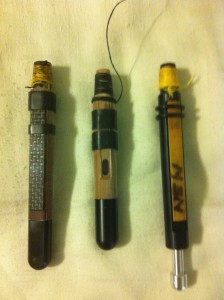
Enjoy!
Carbon fiber tongued Canning bass drone reed – sorry about the silence at the end, audio program wouldn’t cut it out
Plastic tongued Canning bass drone reed
Cane tongued Ackland bass drone reed
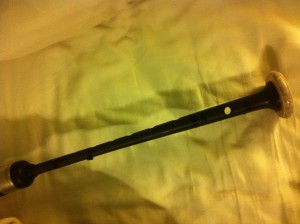
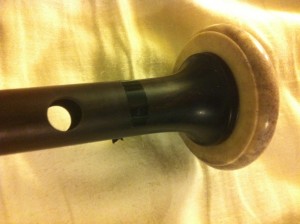
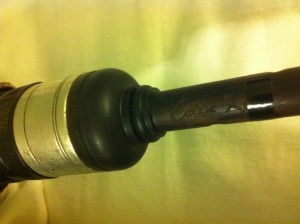
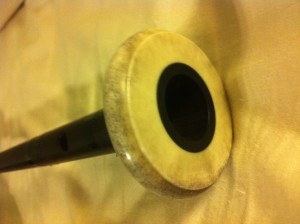
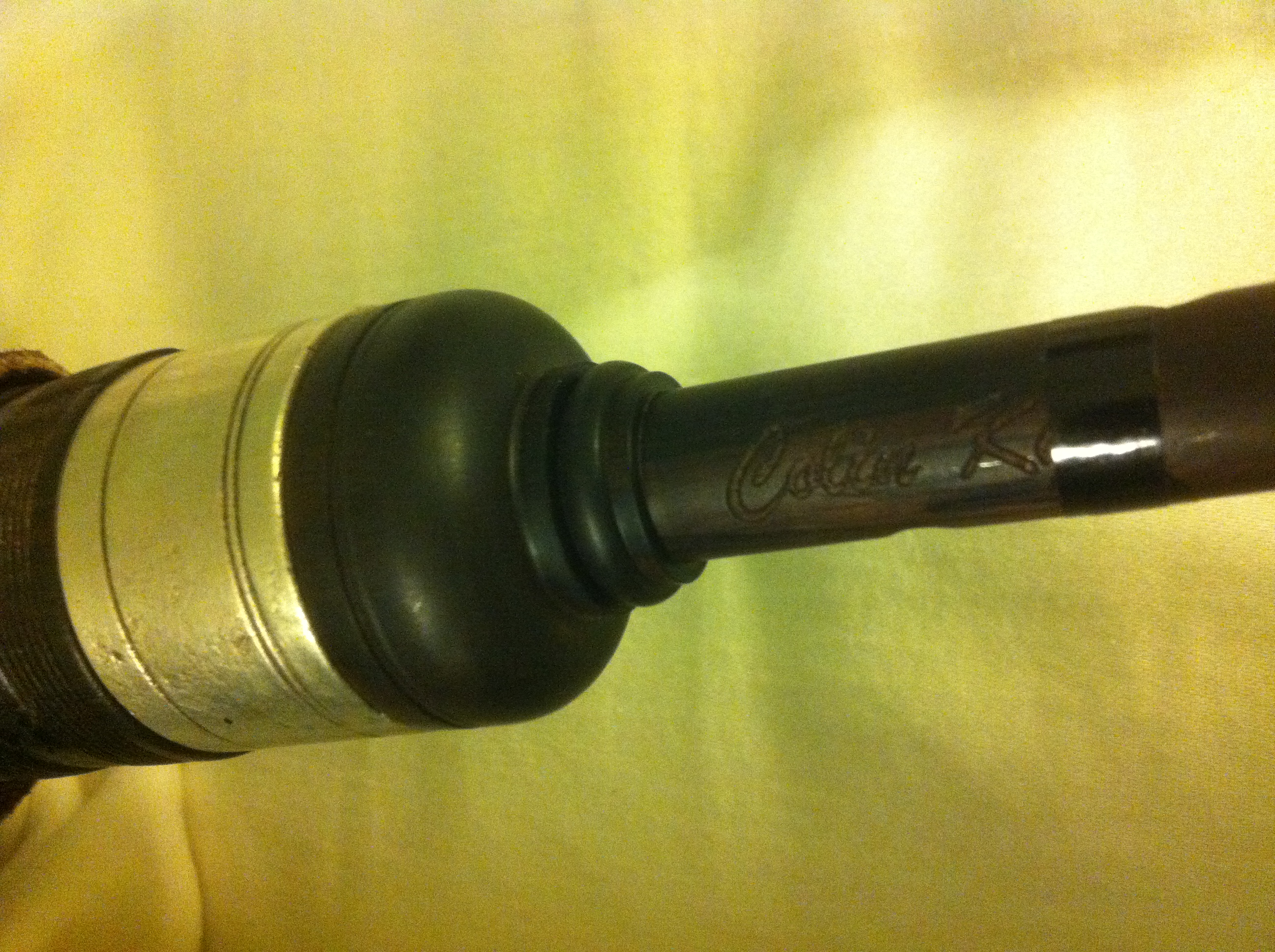
A few other notes. I got the idea for the orthodontic bands (and the link) from a post by Jori Chisolm on the bobdunsire.com forums. Quite often, you’ll start a new reed and it will have a flat C and F. The remedy is to squeeze the reed a little and that will bring them up. Well, okay it might, usually the reed has to be a little wet for it to work. Well, Lubbock is so dry, it doesn’t really work here. So, get an orthodontic band on there (2 wraps for light pressure, start about the middle of the reed or just over the ridge for a ridge cut) just to close the reed lips just a tad to bring the C and the F right up to pitch. As the reed breaks in and the C and F go sharp, just pull the bridle down further and further until you don’t need it anymore. This also works well starting with slightly harder reeds as it will ease them up just a tad as well, which is nice. So, a shout out to Jori, THANKS!!! Also, gotta hit up my main man Murray Huggins over at Colin Kyo bagpipes. The chanter I played was one I was setting up for a band mate, his solo chanter. Ah, it’s beautiful and it sounds great too. Cheers Murray! Check out pictures of the chanter below.